---
title: DiMPro™ Volllängen-Transmembranproteine von DIMA Biotechnology
description: Die DiMPro™-Transmembranproteine von DIMA Biotechnology werden als lösliche Proteinprodukte mit nativer Konformation und Aktivität hergestellt.
image: https://ressourcen.biomol.com/hubfs/Imported_Blog_Media/DIMA_TM-Proteine_Preview-3.png
---
de
DE EN
[** Mein Konto ](https://www.biomol.com/de/account)
** Service/Hilfe
- [Kontakt](https://www.biomol.com/de/kontakt)
- [Technischer Kundenservice](https://www.biomol.com/de/technischer-kundenservice)
- [FAQ](https://support.biomol.com/de/?hsLang=de)
- [Versandkosten](https://www.biomol.com/de/versandkosten)
- [Produkt-Suchtipps](https://www.biomol.com/de/produkt-suchtipps)
- [Distributoren](https://www.biomol.com/de/distributoren)
- [Firmengeschichte](https://www.biomol.com/de/firmengeschichte)
- Cookie-Einstellungen
- [** Menü ](https://ressourcen.biomol.com/de/biomol-blog/dimpro-volllaengen-transmembranproteine-von-dima-biotechnology#offcanvas--left)
- [**Suchtipps ](https://www.biomol.com/de/produkt-suchtipps)
- [** Suchen ](https://ressourcen.biomol.com/de/biomol-blog/dimpro-volllaengen-transmembranproteine-von-dima-biotechnology#show-hide--search)
** Suchen
- [** ](https://www.biomol.com/de/produkt-suchtipps)
- [** Mein Konto ](https://www.biomol.com/de/account)
- [Produkte ](https://www.biomol.com/products/)
- [Hersteller ](https://www.biomol.com/de/hersteller/)
- [Ressourcen ](https://www.biomol.com/de/ressourcen/)
- [Aktionen ](https://www.biomol.com/de/aktionen/)
- [Über Biomol ](https://www.biomol.com/de/ueber-biomol/)
- [** Mein Konto ](https://www.biomol.com/de/account)
[** Zur Kategorie Hersteller ](https://www.biomol.com/de/produkte/) **
- [Antikörper](https://www.biomol.com/de/produkte/antikoerper/)
- [Primärantikörper](https://www.biomol.com/de/produkte/antikoerper/primaerantikoerper/)
- [Sekundärantikörper](https://www.biomol.com/de/produkte/antikoerper/sekundaerantikoerper/)
- [Igs und Isotypkontrollen](https://www.biomol.com/de/produkte/antikoerper/igs-und-isotypkontrollen/)
- [Antikörper-Panels](https://www.biomol.com/de/produkte/antikoerper/antikoerper-panels/)
- [Assay-Kits](https://www.biomol.com/de/produkte/assay-kits/)
- [ELISA und Immunassays](https://www.biomol.com/de/produkte/assay-kits/elisa-und-immunassays/)
- [Biochemische Assays](https://www.biomol.com/de/produkte/assay-kits/biochemische-assays/)
- [Zellbasierte Assays](https://www.biomol.com/de/produkte/assay-kits/zellbasierte-assays/)
- [Biologische Proben](https://www.biomol.com/de/produkte/biologische-proben/)
- [Zellen](https://www.biomol.com/de/produkte/biologische-proben/zellen/)
- [Virus-basierte Tools](https://www.biomol.com/de/produkte/biologische-proben/virus-basierte-tools/)
- [Lysate](https://www.biomol.com/de/produkte/biologische-proben/lysate/)
- [Nukleinsäuren](https://www.biomol.com/de/produkte/biologische-proben/nukleinsaeuren/)
- [Blutprodukte](https://www.biomol.com/de/produkte/biologische-proben/blutprodukte/)
- [Gewebe](https://www.biomol.com/de/produkte/biologische-proben/gewebe/)
- [Sonstige](https://www.biomol.com/de/produkte/biologische-proben/sonstige/)
- [Chemikalien](https://www.biomol.com/de/produkte/chemikalien/)
- [Biochemikalien](https://www.biomol.com/de/produkte/chemikalien/biochemikalien/)
- [Lipide](https://www.biomol.com/de/produkte/chemikalien/lipide/)
- [Referenzstandards](https://www.biomol.com/de/produkte/chemikalien/referenzstandards/)
- [Farbstoffe und Labeling](https://www.biomol.com/de/produkte/chemikalien/farbstoffe-und-labeling/)
- [Antibiotika](https://www.biomol.com/de/produkte/chemikalien/antibiotika/)
- [Biologische Puffer](https://www.biomol.com/de/produkte/chemikalien/biologische-puffer/)
- [Detergenzien](https://www.biomol.com/de/produkte/chemikalien/detergenzien/)
- [CpG-ODN's](https://www.biomol.com/de/produkte/chemikalien/cpg-odn-s/)
- [Screening-Libraries](https://www.biomol.com/de/produkte/chemikalien/screening-libraries/)
- [Plasmide](https://www.biomol.com/de/produkte/plasmide/)
- [cDNA-Klone](https://www.biomol.com/de/produkte/plasmide/cdna-klone/)
- [Sonstige](https://www.biomol.com/de/produkte/plasmide/sonstige/)
- [Primer](https://www.biomol.com/de/produkte/primer/)
- [qPCR Primer](https://www.biomol.com/de/produkte/primer/qpcr-primer/)
- [qPCR Genfamilien-Primer](https://www.biomol.com/de/produkte/primer/qpcr-genfamilien-primer/)
- [qPCR Kontroll-Primer](https://www.biomol.com/de/produkte/primer/qpcr-kontroll-primer/)
- [qPCR Primer-Libraries](https://www.biomol.com/de/produkte/primer/qpcr-primer-libraries/)
- [Proteine und Peptide](https://www.biomol.com/de/produkte/proteine-und-peptide/)
- [Proteine](https://www.biomol.com/de/produkte/proteine-und-peptide/proteine/)
- [Zytokine](https://www.biomol.com/de/produkte/proteine-und-peptide/zytokine/)
- [Peptide](https://www.biomol.com/de/produkte/proteine-und-peptide/peptide/)
- [Toolkits](https://www.biomol.com/de/produkte/toolkits/)
- [Kit-Komponenten](https://www.biomol.com/de/produkte/toolkits/kit-komponenten/)
- [Labeling-Kits](https://www.biomol.com/de/produkte/toolkits/labeling-kits/)
- [Kits zur Probenvorbereitung](https://www.biomol.com/de/produkte/toolkits/kits-zur-probenvorbereitung/)
- [Klonierungs- und Expressionskits](https://www.biomol.com/de/produkte/toolkits/klonierungs-und-expressionskits/)
- [Mutagenese-Kits](https://www.biomol.com/de/produkte/toolkits/mutagenese-kits/)
- [Sequenzierungskits](https://www.biomol.com/de/produkte/toolkits/sequenzierungskits/)
- [Zusätzliche Reagenzien](https://www.biomol.com/de/produkte/zusaetzliche-reagenzien/)
- [Färbelösungen](https://www.biomol.com/de/produkte/zusaetzliche-reagenzien/faerbeloesungen/)
- [Zellkulturmedien](https://www.biomol.com/de/produkte/zusaetzliche-reagenzien/zellkulturmedien/)
- [Agarosen](https://www.biomol.com/de/produkte/zusaetzliche-reagenzien/agarosen/)
- [Stabilisatoren](https://www.biomol.com/de/produkte/zusaetzliche-reagenzien/stabilisatoren/)
- [Protein-Marker](https://www.biomol.com/de/produkte/zusaetzliche-reagenzien/protein-marker/)
- [DNA-Leitern](https://www.biomol.com/de/produkte/zusaetzliche-reagenzien/dna-leitern/)
- [Transfektionsreagenzien](https://www.biomol.com/de/produkte/zusaetzliche-reagenzien/transfektionsreagenzien/)
[** Zur Kategorie Hersteller ](https://www.biomol.com/de/produkte/) **
- [AAT Bioquest](https://www.biomol.com/de/aat-bioquest/)
- [Abcore](https://www.biomol.com/de/abcore/)
- [Absea](https://www.biomol.com/de/absea/)
- [Acepix Biosciences](https://www.biomol.com/de/acepix/)
- [AdipoGen Life Sciences](https://www.biomol.com/de/adipogen/)
- [Akadeum Life Sciences](https://www.biomol.com/de/akadeum-life-sciences/)
- [Alithea Genomics](https://www.biomol.com/de/alithea-genomics/)
- [Amsbio](https://www.biomol.com/de/amsbio/)
- [Ancell](https://www.biomol.com/de/ancell/)
- [Arigo Biolaboratories](https://www.biomol.com/de/arigo/)
- [Assay Genie](https://www.biomol.com/de/assay-genie/)
- [AssayQuant](https://www.biomol.com/de/assayquant/)
- [Atlas Antibodies](https://www.biomol.com/de/atlas-antibodies/)
- [Badische Peptide & Proteine](https://www.biomol.com/de/bpp/)
- [Bertin Bioreagent](https://www.biomol.com/de/bertin-bioreagent/)
- [Bethyl Laboratories](https://www.biomol.com/de/bethyl/)
- [Biomol GmbH](https://www.biomol.com/de/biomol-gmbh/)
- [Biotium](https://www.biomol.com/de/biotium/)
- [BPS Bioscience](https://www.biomol.com/de/bps/)
- [Cavidi](https://www.biomol.com/de/cavidi/)
- [Cayman Chemical](https://www.biomol.com/de/cayman/)
- [Chemodex](https://www.biomol.com/de/chemodex/)
- [Chimerigen Laboratories](https://www.biomol.com/de/chimerigen/)
- [Croyez](https://www.biomol.com/de/croyez/)
- [Cusabio](https://www.biomol.com/de/cusabio/)
- [Cytion](https://www.biomol.com/de/cytion/)
- [Diaclone](https://www.biomol.com/de/diaclone/)
- [DIMA Biotech](https://www.biomol.com/de/dima/)
- [Elabscience](https://www.biomol.com/de/elabscience/)
- [ELK Biotechnology](https://www.biomol.com/de/elk-biotechnology/)
- [Expert Synthesis Solutions](https://www.biomol.com/de/ess/)
- [ForMedium](https://www.biomol.com/de/formedium/)
- [GenScript](https://www.biomol.com/de/genscript/)
- [Hycult Biotech](https://www.biomol.com/de/hycult-biotech/)
- [ImmunoChemistry](https://www.biomol.com/de/ict/)
- [Indigo Biosciences](https://www.biomol.com/de/indigo/)
- [Innaxon](https://www.biomol.com/de/innaxon/)
- [InVitria](https://www.biomol.com/de/invitria/)
- [IsoSciences](https://www.biomol.com/de/isosciences/)
- [JaICA](https://www.biomol.com/de/jaica/)
- [KACTUS](https://www.biomol.com/de/kactus/)
- [Kingfisher Biotech](https://www.biomol.com/de/kingfisher/)
- [LKT Laboratories](https://www.biomol.com/de/lkt/)
- [LubioScience](https://www.biomol.com/de/lubioscience/)
- [Micronbrane Medical](https://www.biomol.com/de/micronbrane/)
- [MONOSAN](https://www.biomol.com/de/monosan/)
- [nanoComposix](https://www.biomol.com/de/nanocomposix/)
- [Navinci Diagnostics](https://www.biomol.com/de/navinci/)
- [NeoBiotechnologies](https://www.biomol.com/de/neobiotechnologies/)
- [NewEast Biosciences](https://www.biomol.com/de/neweastbio/)
- [Novoprotein](https://www.biomol.com/de/novoprotein/)
- [NSJ Bioreagents](https://www.biomol.com/de/nsjbio/)
- [NuSep](https://www.biomol.com/de/nusep/)
- [NZYtech](https://www.biomol.com/de/nzytech/)
- [ORF Genetics](https://www.biomol.com/de/orf-genetics/)
- [Pacific Coast Bio](https://www.biomol.com/de/pacific-coast-bio/)
- [Peptides & Elephants](https://www.biomol.com/de/peptides-and-elephants/)
- [Quantoom Biosciences](https://www.biomol.com/de/quantoom/)
- [Randox](https://www.biomol.com/de/randox/)
- [RealTimePrimers](https://www.biomol.com/de/realtimeprimers/)
- [Research Donors](https://www.biomol.com/de/research-donors/)
- [RevMAb Biosciences](https://www.biomol.com/de/revmab/)
- [Rockland Immunochemicals](https://www.biomol.com/de/rockland/)
- [Slingshot Biosciences](https://www.biomol.com/de/slingshot/)
- [South Bay Bio](https://www.biomol.com/de/south-bay-bio/)
- [SYNkinase](https://www.biomol.com/de/synkinase/)
- [TargetMol](https://www.biomol.com/de/targetmol/)
- [U-genes](https://www.biomol.com/de/u-genes/)
- [United States Biological](https://www.biomol.com/de/usbiological/)
- [Virax Biolabs](https://www.biomol.com/de/virax-biolabs/)
[** Zur Kategorie Hersteller ](https://www.biomol.com/de/produkte/) **
- [Biomol Blog](https://ressourcen.biomol.com/de/biomol-blog)
- [Anwendungen](https://www.biomol.com/de/ressourcen/anwendungen/)
- [Webinare](https://www.biomol.com/de/ressourcen/webinare/bps-bioscience/)
- [Protokolle](https://www.biomol.com/de/ressourcen/protokolle/)
- [Standard-Puffer](https://www.biomol.com/de/ressourcen/standard-puffer/)
- [Kataloge](https://www.biomol.com/de/ressourcen/kataloge/)
- [Poster](https://www.biomol.com/de/ressourcen/poster/)
- [Tagungskalender](https://www.biomol.com/de/ressourcen/tagungskalender/)
- [Newsletter](https://www.biomol.com/de/newsletter)
- [Tools](https://www.biomol.com/de/ressourcen/tools/molaritaetsrechner/)
- [Molaritätsrechner](https://www.biomol.com/de/ressourcen/tools/molaritaetsrechner/)
- [Zytokin-Aktivitätsrechner](https://www.biomol.com/de/ressourcen/tools/zytokin-aktivitaetsrechner/)
- [ELISA Analyse](https://www.biomol.com/de/ressourcen/tools/elisa-analyse/)
- [Fluoreszenz-Spektrum Viewer](https://www.biomol.com/de/ressourcen/tools/fluoreszenz-spektrum-viewer/)
Ressourcen
An dieser Stelle finden Sie unter anderem Protokolle und Anleitungen für verschiedene Applikationen. Laden Sie sich außerdem die neuesten Kataloge und Broschüren unserer Partner als PDF herunter und erfahren Sie, wo Sie uns auf Konferenzen... [ mehr erfahren ](https://www.biomol.com/de/ressourcen/)
[** Zur Kategorie Hersteller ](https://www.biomol.com/de/produkte/) **
- [Firmengeschichte](https://www.biomol.com/de/firmengeschichte)
- [Auszeichnungen](https://www.biomol.com/de/awards)
- [Kontakt](https://www.biomol.com/de/kontaktformular)
- [Technischer Kundenservice](https://www.biomol.com/de/technischer-kundenservice)
- [Karriere](https://www.biomol.com/de/jobangebote)
- [FAQ](https://support.biomol.com/de/?hsLang=de)
- [ Menü schließen ** ](https://ressourcen.biomol.com/de/biomol-blog/dimpro-volllaengen-transmembranproteine-von-dima-biotechnology#close-categories-menu)
de
EN
Kategorien
- [Produkte](https://www.biomol.com/products/)
- [Hersteller](https://www.biomol.com/de/hersteller/)
- [Ressourcen](https://www.biomol.com/de/ressourcen/)
- [Aktionen](https://www.biomol.com/de/aktionen/)
- [Über Biomol](https://www.biomol.com/de/ueber-biomol/)
Informationen
- [Kontakt](https://www.biomol.com/de/kontakt)
- [Technischer Kundenservice](https://www.biomol.com/de/technischer-kundenservice)
- [FAQ](https://support.biomol.com/de/?hsLang=de)
- [Versandkosten](https://www.biomol.com/de/versandkosten)
- [Produkt-Suchtipps](https://www.biomol.com/de/produkt-suchtipps)
- [Distributoren](https://www.biomol.com/de/distributoren)
- [Firmengeschichte](https://www.biomol.com/de/firmengeschichte)
- Cookie-Einstellungen
- [Home](https://www.biomol.com/de)
- [Blog](https://ressourcen.biomol.com/de/biomol-blog)
- DiMPro™ Volllängen-Transmembranproteine von DIMA Biotechnology
- [DIMA Biotech](https://ressourcen.biomol.com/de/biomol-blog/tag/dima-biotech)
- [Proteine](https://ressourcen.biomol.com/de/biomol-blog/tag/proteine)
# DiMPro™ Volllängen-Transmembranproteine von DIMA Biotechnology
Geschrieben von: Dr. Jan Stäcker 08-14-2024
Beitrag auf sozialen Medien teilen:
[Auf Whatsapp teilen ](whatsapp://send?text=https://ressourcen.biomol.com/de/biomol-blog/dimpro-volllaengen-transmembranproteine-von-dima-biotechnology) [Auf X teilen ](https://twitter.com/intent/tweet?source=https://ressourcen.biomol.com/de/biomol-blog/dimpro-volllaengen-transmembranproteine-von-dima-biotechnology&text=DiMPro™%20Volllängen-Transmembranproteine%20von%20DIMA%20Biotechnology%20-%20https://ressourcen.biomol.com/de/biomol-blog/dimpro-volllaengen-transmembranproteine-von-dima-biotechnology) [Auf LinkedIn teilen ](https://www.linkedin.com/shareArticle?mini=true&url=https://ressourcen.biomol.com/de/biomol-blog/dimpro-volllaengen-transmembranproteine-von-dima-biotechnology) [Auf Facebook teilen ](https://www.facebook.com/sharer/sharer.php?u=https://ressourcen.biomol.com/de/biomol-blog/dimpro-volllaengen-transmembranproteine-von-dima-biotechnology)

Membranproteine (MP) sind die Torwächter der Zellen und spielen eine wichtige Rolle bei einer Vielzahl von Zellfunktionen wie Stofftransport, Signalübertragung und Zell-zu-Zell-Erkennung. Abnormale Funktionen von MP führen häufig zum Auftreten von Krankheiten. Daher machen MP mehr als 60% aller derzeit von der FDA zugelassenen Zielmoleküle und 90% der Zielmoleküle für Antikörper aus.
Trotz ihrer Bedeutung ist die Herstellung funktioneller Proteine für die Entdeckung von Arzneimitteln insbesondere bei Multi-Transmembranproteinen eine Herausforderung. Membranproteine neigen dazu, ihre Funktionen zu verlieren, wenn sie aus der Membran entfernt werden und das Expressionsniveau von Membranproteinen ist in den Wirtszellen in der Regel niedrig. Die zelluläre Expression rekombinanter Membranproteine führt aufgrund der hydrophoben Natur der Transmembransegmente häufig zu Proteinaggregation und Fehlfaltung. Aus diesem Grund werden Membranproteine in der pharmazeutischen Industrie oft als „undruggable“ Ziele betrachtet.
Unser Partner [DIMA Biotechnology](https://www.biomol.com/de/ressourcen/kataloge/dima-biotech/) steht für Innovationen in der Entdeckung therapeutischer Antikörper und der Expression funktioneller Proteine. DIMA ist spezialisiert auf präklinische Forschungs- und Entwicklungslösungen für die Biopharma-Industrie. Das umfangreiche Portfolio umfasst mehr als 1.200 Antikörper und über 1.500 Proteine und Zytokine. Dazu gehören auch die DiMPro™-Transmembranproteine in voller Länge, die in Säugetier-Expressionssystemen als lösliche Proteinprodukte mit nativer Konformation und Aktivität hergestellt werden. In diesem Blogartikel erfahren Sie mehr über die verschiedenen Plattformen, die DIMA zur Herstellung von humanen Multi-Transmembranproteinen in voller Länge entwickelt hat.
### Diese Themen warten auf Sie:
[1) DIMA-Plattformen zur Produktion von humanen Multi-Transmembranproteinen](https://ressourcen.biomol.com/de/biomol-blog/dimpro-volllaengen-transmembranproteine-von-dima-biotechnology#1)
[2) Virusähnliche Partikel](https://ressourcen.biomol.com/de/biomol-blog/dimpro-volllaengen-transmembranproteine-von-dima-biotechnology#2)
[3) Synthetische Nanodiscs](https://ressourcen.biomol.com/de/biomol-blog/dimpro-volllaengen-transmembranproteine-von-dima-biotechnology#3)
[4) Membran-Nanopartikel](https://ressourcen.biomol.com/de/biomol-blog/dimpro-volllaengen-transmembranproteine-von-dima-biotechnology#4)
[5) Exosomen](https://ressourcen.biomol.com/de/biomol-blog/dimpro-volllaengen-transmembranproteine-von-dima-biotechnology#5)
[6) Detergens-Solubilisierung von Membranproteinen](https://ressourcen.biomol.com/de/biomol-blog/dimpro-volllaengen-transmembranproteine-von-dima-biotechnology#6)
[](https://hubspot-cta-redirect-eu1-prod.s3.amazonaws.com/cta/redirect/144662462/9d75e303-73aa-4ce9-8cf1-9d9598780cc0)
## DIMA-Plattformen zur Produktion von humanen Multi-Transmembranproteinen
Eine der wichtigsten Voraussetzungen für die Entwicklung von Antikörpern ist die Verwendung von Protein-Immunogenen, die den nativen Zustand des Zielproteins am besten imitieren. Die meisten Zielproteine, die sich für eine antikörperbasierte Therapie eignen, sind Membranproteine, die bekanntermaßen schwer zu exprimieren sind. Bislang wurden verschiedene Antigentypen für die Herstellung von mAbs gegen MP verwendet. Jeder dieser Typen hat seine eigenen Vor- und Nachteile (Tab. 1).
Extrazelluläre Domänen (ECDs) lassen sich leicht in hoher Expression aufreinigen. Sie haben jedoch normalerweise nicht die native Konformation der Zielproteine, was zum Verlust von Proteinaktivitäten und einigen Konformationsepitopen führen kann. Die Immunisierung ganzer Zellen wird häufig für die Herstellung von mAb gegen Transmembranproteine verwendet. Sie bewahrt die native Konformation und die Modifikationen der Zielproteine, hat eine hohe Immunogenität und erfordert keine komplexen Reinigungsschritte. Allerdings entstehen bei der Immunisierung ganzer Zellen häufig viele unspezifische Antikörper gegen andere Proteine, insbesondere gegen die reichlich vorhandenen zytoplasmatischen Proteine.
| **Antigentyp** | **Vorteile** | **Nachteile** |
| --- | --- | --- |
| Extrazelluläre Domäne | - Leicht aufzureinigen bei hoher Expression | Aufgereinigtes Protein hat möglicherweise keine native Konformation, was zum Verlust einiger Konformationsepitope führen kann |
| Immunisierung ganzer Zellen | - Hohe Immunogenität - Native Konformation und Modifikationen der Zielproteine - Keine komplexen Reinigungsschritte erforderlich | Bildung von unspezifischen Antikörpern gegen andere Proteine, v.a. zytoplasmatische Proteine |
| Volllängen-Membranprotein | - Aktives Protein mit nativer Konformation - Eines der besten Antigene für die Entdeckung von Medikamenten | Aufgrund der hydrophoben Eigenschaften ist es schwierig, die native Konformation in Form von löslichen Proteinen zu erhalten |
Um diese Probleme zu lösen, hat DIMA Biotech fünf Plattformen für die Produktion von humanen Multi-Transmembranproteinen in voller Länge entwickelt, darunter Nanodiscs, Virus-ähnliche Partikel (VLP), Membran-Nanopartikel (MNP) und Exosome (EXO) (Abb. 1). Alle Plattformen basieren auf Säugetier-Expressionssystemen (HEK293) und stellen Membranproteine als lösliche Proteinprodukte mit nativer Konformation und Aktivität sowie mit authentischen posttranslationalen Modifikationen her. Die Verwendung von serumfreiem Medium minimiert darüber hinaus das Risiko der Kontamination von Wirtszellen. Die hergestellten Proteine können für die Entwicklung hochspezifischer Therapien eingesetzt werden, die auf bisher unzugängliche Ziele wie Ionenkanäle und Transporter abzielen. Zu den Schlüsselapplikationen der Proteine zählen:
1. **Einsatz als native Immunogene für die Entwicklung therapeutischer Antikörper**
2. **Identifizierung nativer Liganden und Rezeptoren**
3. ***In vitro*-Funktionstest von therapeutischen Medikamenten **
4. ***In vitro*-Protein-Funktionstest**
5. **Zellbasierte Assays**

*Abbildung 1: DIMAs Lösungen für die Multi-Transmembranproteine in voller Länge.*
Um die beste Produktionsstrategie zu finden, untersucht und entwirft DIMA für jedes Zielmembranprotein ein eigenes Expressionskonstrukt. Während sie für MP mit nur einer Transmembran-Domäne die gut konzipierte ECD-Fraktion verwenden, um die funktionelle Domäne zu imitieren, nutzt DIMA für Multi-Transmembranproteine in voller Länge, wie z. B. GPCR- und Claudin-Proteine, eine der fünf selbst entwickelten Plattformen. Diese zeichnen sich durch neue Expressions- und Extraktionstechnologien aus und können in zwei Kategorien eingeteilt werden:
1. **Native Zellmembranen, aber unreine Proteine: Membran-Nanopartikel (MNP), Exosome (EXO) und virusähnliche Partikel (VLP)**
2. **Reine Proteine: Detergens- und Nanodisc-Plattformen**
## Virusähnliche Partikel

Virusähnliche Partikel (VLP) sind selbstorganisierende Multiprotein-Nanopartikel mit einer ähnlichen strukturellen Organisation und Konformation wie Viren, jedoch ohne virales Genom. Die Größe der VLP beträgt etwa 100-150 nm. Sie werden von der Oberfläche von Zellen, welche die Zielmembranproteine exprimieren, sezerniert. Die gereinigten VLP haben die Ziel-MP in eine vollständige Phospholipid-Membranstruktur eingebaut, die den natürlichen membrandurchdringenden Zustand des Proteins nachahmt.
VLP können für biochemische Routineanalysen verwendet werden, einschließlich ELISA, SPR-Affinitätsanalysen, Phage-Display-Screenings, Proteinmarkierungs- und Zellbindungsexperimente oder Flow-Virometrie-Analysen. Sie können auch als funktionelle Proteinantigene verwendet werden, um aktive Antikörper mit hohem Wirkstoffpotenzial zu entwickeln, da das Zielprotein im VLP einen Zustand aufweist, der seinem nativen Zustand auf der Zelloberfläche entspricht.
| **Vorteile** | **Limitationen** | **Anwendungen** |
| --- | --- | --- |
| - Hohe Display-Dichte des Ziel-MP - Nachahmung der nativen Struktur und Ausrichtung von Transmembranproteinen - Reinigungsverfahren ohne Detergenzien - Starke Immunogenität durch Virusproteine | - Mangel an genauer Quantifizierung des Ziel-MP - Notwendigkeit der Entwicklung spezieller SPR-Assays - Unspezifische Antikörper, die aus Virusproteinen gewonnen werden - Einige MP können keine VLP bilden | - ELISA - SPR-Affinitätsanalysen - Phage-Display-Screenings - Immunisierung - Zellbasierte Assays - CAR-T-Zell-Screenings |
## Synthetische Nanodiscs

Im Gegensatz zu anderen auf dem Markt befindlichen Membrangerüstprotein (MSP)-Nanodiscs können die von DIMA Biotech entwickelten synthetischen Nanodiscs direkt aus den Zellen hergestellt werden. Die bei diesem Prozess verwendeten Polymere haben eine Doppelfunktion. Sie lösen die Zellmembranen auf, wie das Detergens, und nutzen zelluläre Phospholipide, um Nanodiscs um die Membranproteine herum zu bilden. Die in das Zielprotein eingebetteten Nanodiscs können dann gereinigt werden.
| **Vorteile** | **Limitationen** | **Anwendungen** |
| --- | --- | --- |
| - Hochgradig aufgereinigte Membranproteine - Hohe Löslichkeit in wässrigen Lösungen - Hohe Stabilität - Proteine befinden sich in einer nativen Membranumgebung und bleiben biologisch aktiv - Keine Detergenzien, verwendbar für zellbasierte Assays - Keine MSP-Backbone-Proteine | - Intolerant gegenüber Säuren und hohen Konzentrationen von zweiwertigen Metallionen | - ELISA - SPR-Affinitätsanalysen - Phage-Display-Screenings - Immunisierung - Zellbasierte Assays - CAR-T-Zell-Screenings - Analyse der Kristallstruktur von Proteinen |
## Membran-Nanopartikel

Mit Plasmamembranen beschichtete Nanopartikel (MNP) wurden bereits für verschiedene Anwendungen eingesetzt, u. a. für die Verabreichung von Therapeutika und die Auslösung von Immunreaktionen. Im Gegensatz zu herkömmlichen Strategien nutzen MNP direkt die intakten und natürlichen Funktionen von Zellmembranen und zeichnen sich durch hohe Biokompatibilität, Spezifität und geringe Nebenwirkungen aus. DIMA Biotech hat eine optimierte MNP-Plattform für die Produktion von Volllängen-Membranproteinen entwickelt, die die Membranbeschichtungstechnologie und die HEK293-basierte Expressionsplattform nutzt. Die hochreinen, mit Plasmamembranen beschichteten Nanopartikel wurden durch Extrusion nach Membranextraktion aus den HEK293-Wirtszellen, die die überexprimierten Zielproteine enthalten, hergestellt.
| **Vorteile** | **Limitationen** | **Anwendungen** |
| --- | --- | --- |
| - Hohe Display-Dichte des Ziel-MP - Native Struktur und Ausrichtung von Transmembranproteinen - Löslich in wässrigen Lösungen für biochemische Routineanalysen - Aufreinigungsprozess ohne Detergenzien - Starke Immunogenität - Funktioniert bei MP, die nicht über VLP und EXO hergestellt werden können | - Mangel an genauer Quantifizierung des Ziel-MP - Notwendigkeit der Entwicklung spezieller SPR-Assays - Einige MP können nicht auf Membranen angereichert werden | - ELISA - SPR-Affinitätsanalysen - Phage-Display-Screenings - Immunisierung - Zellbasierte Assays - CAR-T-Zell-Screenings |
## Exosomen

Exosomen (EXO) sind sekretierte Membran-Nanopartikel, die durch die Fusion von multivesikulären Körpern mit der Plasmamembran entstehen. Die Größe von Exosomen beträgt etwa 30-150 nm. Exosomen können aus *in vitro*-Zellkulturen gereinigt werden. Wie VLP weisen auch EXO eine hervorragende Immunogenität auf und haben eine Membranstruktur, die der der nativen Plasmamembran nahe kommt. Überexprimierte Membranproteine werden in die Wirtszellmembran eingefügt und als Exosome ausgeschieden, die gereinigt und für eine Reihe von nachgeschalteten Studien verwendet werden können. Im Gegensatz zu VLP haben die gereinigten EXO eine minimale Zytotoxizität. Allerdings können nicht alle MP in EXO aufgenommen und ins Medium sezerniert werden.
| **Vorteile** | **Limitationen** | **Anwendungen** |
| --- | --- | --- |
| - Hohe Display-Dichte des Ziel-MP - Nachahmung der nativen Struktur und Ausrichtung von Transmembranproteinen - Aufreinigungsprozess ohne Detergenzien - Starke Immunogenität ohne Bildung von unspezifischen antiviralen Antikörpern | - Mangel an genauer Quantifizierung des Ziel-MP - Notwendigkeit der Entwicklung spezieller SPR-Assays - Einige MP können keine Exosomen bilden | - ELISA - SPR-Affinitätsanalysen - Phage-Display-Screenings - Immunisierung - Zellbasierte Assays - CAR-T-Zell-Screenings |
## Detergens-Solubilisierung von Membranproteinen

Detergenzien sind amphipathische Moleküle mit hydrophilen polaren Köpfen und unpolaren hydrophoben Schwänzen. Bei einer bestimmten Konzentration können Detergenzien stabile Mizellen mit hydrophoben Kernen bilden, die zur Isolierung der aktiven Membranproteine in löslichen Protein-Detergenz-Komplexen verwendet werden können. Die Abbildung zeigt, wie Detergenzien verwendet werden können, um Multi-Transmembranproteine in voller Länge zu isolieren und die hydrophobe Transmembranstruktur der Membranproteine zu erhalten.
| **Vorteile** | **Limitationen** | **Anwendungen** |
| --- | --- | --- |
| - Aufgereinigtes Protein ohne andere unspezifische Proteine - Nachahmung der nativen Struktur und Ausrichtung von Transmembranproteinen - Genaue Quantifizierung der Zielproteine | - Erfordert ein umfangreiches Screening verschiedener Detergenzien - Kann dazu führen, dass Zielproteine ihre natürlichen Wechselwirkungen mit Lipiden und anderen Proteinen verlieren - Nachfolgende Versuche erfordern die ständige Zugabe von Detergenzien (Zytotoxizität) | - ELISA - SPR-Affinitätsanalysen - Phage-Display-Screenings - Immunisierung - Zellbasierte Assays - CAR-T-Zell-Screenings |
[**Alle Volllängenproteine von DIMA Biotechnology**](https://www.biomol.com/de/search?p=1&ffFollowSearch=9841&q=full%20length%20protein&o=7&n=12&s=DIMA)
[Originalartikel](https://www.dimabio.com/full-length-transmembrane-proteins-mnp-vlp-exo-detergent-nanodisc) von DIMA Biotechnology
---
## Das könnte Sie auch interessieren …
WEITERE BLOGBEITRÄGE
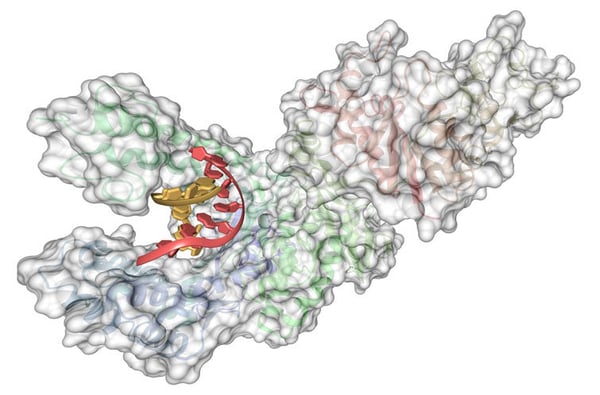
##### Die Entdeckung von Thermus aquaticus
Am 1. April 1969 publizierten Thomas D. Brock und Hudson Freeze die Entdeckung einer neuen Spezies thermophiler Bakterien, die sie Thermus...
- [Science History](https://ressourcen.biomol.com/de/biomol-blog/tag/science-history)
- [Biomol](https://ressourcen.biomol.com/de/biomol-blog/tag/biomol)
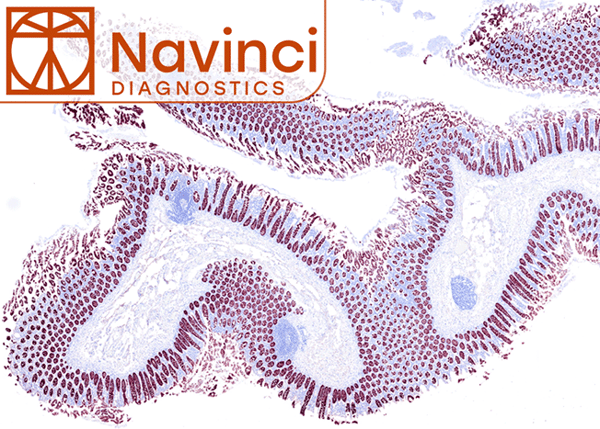
##### Vollständig automatisierte in situ Proximity-Ligationsassays von Navinci Diagnostics
Zum ersten Mal ist ein Proximity-Ligationsassay mit einem vollständig automatisierten Arbeitsablauf kommerziell verfügbar. Mit dem...
- [Navinci](https://ressourcen.biomol.com/de/biomol-blog/tag/navinci)
- [IHC](https://ressourcen.biomol.com/de/biomol-blog/tag/ihc)
- [Antikörper](https://ressourcen.biomol.com/de/biomol-blog/tag/antikörper)
- [Assay-Kits](https://ressourcen.biomol.com/de/biomol-blog/tag/assay-kits)
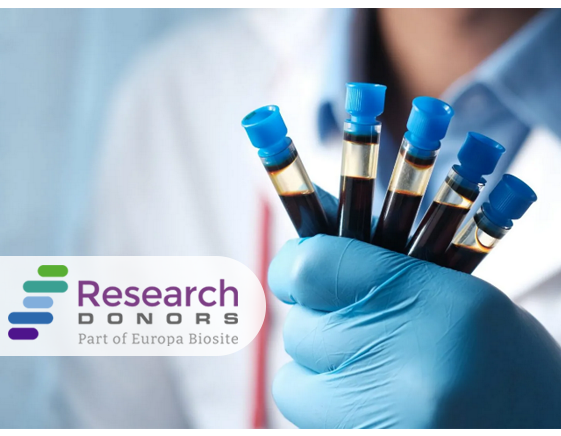
##### Blut-Bioproben für die Forschung - Vollblut, PBMCs, Leukopaks und mehr
Forschende sind auf hochwertige Blut-Bioproben angewiesen, um Fortschritte in der Immunologie, Hämatologie, regenerativen Medizin und der...
- [Research Donors](https://ressourcen.biomol.com/de/biomol-blog/tag/research-donors)
- [Blutprodukte](https://ressourcen.biomol.com/de/biomol-blog/tag/blutprodukte)
Biomol-Newsletter
Abonnieren Sie den kostenlosen Biomol-Newsletter und bleiben Sie bestens informiert über die neuesten Aktionen von Biomol. Zusätzlich erhalten Sie einen **10€ Gutschein** für Ihre nächste Bestellung.
Hier geht's zur Newsletter-Anmeldung! **
Wichtiger Hinweis
Unsere Produkte richten sich ausschließlich an Wissenschaftler*innen und Einkäufer*innen in Forschungseinrichtungen. **Eine Lieferung an Privatpersonen ist ausgeschlossen.**
Sie finden uns auch auf
[** ](https://www.facebook.com/biomol) [** ](https://www.linkedin.com/company/biomol-gmbh/) [** ](https://www.xing.com/companies/biomolgmbh) [** ](https://www.youtube.com/channel/UCRD-h8vgRJc2p83-y_ITJDA) [ ](https://mastodon.social/@biomol)
Rechtliches
- [ Datenschutzerklärung ](https://www.biomol.com/de/datenschutzerklaerung)
- Cookie-Einstellungen
- [ Markenzeichen ](https://www.biomol.com/de/markenzeichen)
- [ AGB ](https://www.biomol.com/de/agb)
- [ Impressum ](https://www.biomol.com/de/impressum)
Über Biomol
- [ Kontakt ](https://www.biomol.com/de/kontakt)
- [ Technischer Kundenservice ](https://www.biomol.com/de/technischer-kundenservice)
- [ Häufige Fragen ](https://www.biomol.com/de/haeufige-fragen)
- [ Versandkosten ](https://www.biomol.com/de/versandkosten)
- [ Produkt-Suchtipps ](https://www.biomol.com/de/produkt-suchtipps)
- [ Distributoren ](https://www.biomol.com/de/distributoren)
- [ Firmengeschichte ](https://www.biomol.com/de/firmengeschichte)
- [ Mitgliedschaften ](https://www.biomol.com/de/mitgliedschaften)
- [ Jobangebote ](https://www.biomol.com/de/jobangebote)
- [ Sitemap ](https://www.biomol.com/de/sitemap)
Kundenservice
Mo - Do, 09:00 - 17:00 Uhr
Fr, 09:00 - 16:00 Uhr
Tel: [+49-40-8532600](tel:+49-40-8532600)
E-mail: [info@biomol.com](mailto:info@biomol.com)
Auszeichnungen
[ ](https://www.biomol.com/de/awards)
Zahlungsarten

Versand
 Wir versenden mit UPS Express Saver.
**Keine** [Versand- und Kühlkosten](https://www.biomol.com/de/versandkosten) bei Online-Bestellungen über 1.000 € innerhalb Deutschlands *(gilt nicht bei Versand frischer Blutprodukte von [Research Donors](https://www.biomol.com/de/research-donors/))*.
[** ](https://www.facebook.com/biomol) [** ](https://www.linkedin.com/company/biomol-gmbh/) [** ](https://www.xing.com/companies/biomolgmbh) [** ](https://www.youtube.com/channel/UCRD-h8vgRJc2p83-y_ITJDA) [ ](https://mastodon.social/@biomol)
© 2025 Biomol GmbH - Life Science Shop | Kieler Straße 303a | 22525 Hamburg | Deutschland
```json
{
"@context" : "https://schema.org",
"@type" : "BlogPosting",
"author" : {
"@type" : "Person",
"name" : "Dr. Jan Stäcker",
"url" : "https://ressourcen.biomol.com/de/biomol-blog/author/dr-jan-stäcker"
},
"dateModified" : "2025-07-07T13:18:36.557Z",
"datePublished" : "2024-08-14T22:00:00.000Z",
"headline" : "DiMPro™ Volllängen-Transmembranproteine von DIMA Biotechnology",
"image" : [ "https://ressourcen.biomol.com/hubfs/Imported_Blog_Media/DIMA_TM-Proteine_Preview-3.png" ],
"mainEntityOfPage" : {
"@id" : "https://ressourcen.biomol.com/de/biomol-blog/dimpro-volllaengen-transmembranproteine-von-dima-biotechnology",
"@type" : "WebPage"
},
"publisher" : {
"@type" : "Organization",
"logo" : {
"@type" : "ImageObject",
"url" : "https://ressourcen.biomol.com/hubfs/Biomol/biomol-logo.png"
}
}
}
```